
Water Management That Protects Pavement Structure
Channel Drains in South Portland for driveways with recurring water pooling, properties experiencing erosion from concentrated runoff, and pavement showing moisture-related deterioration
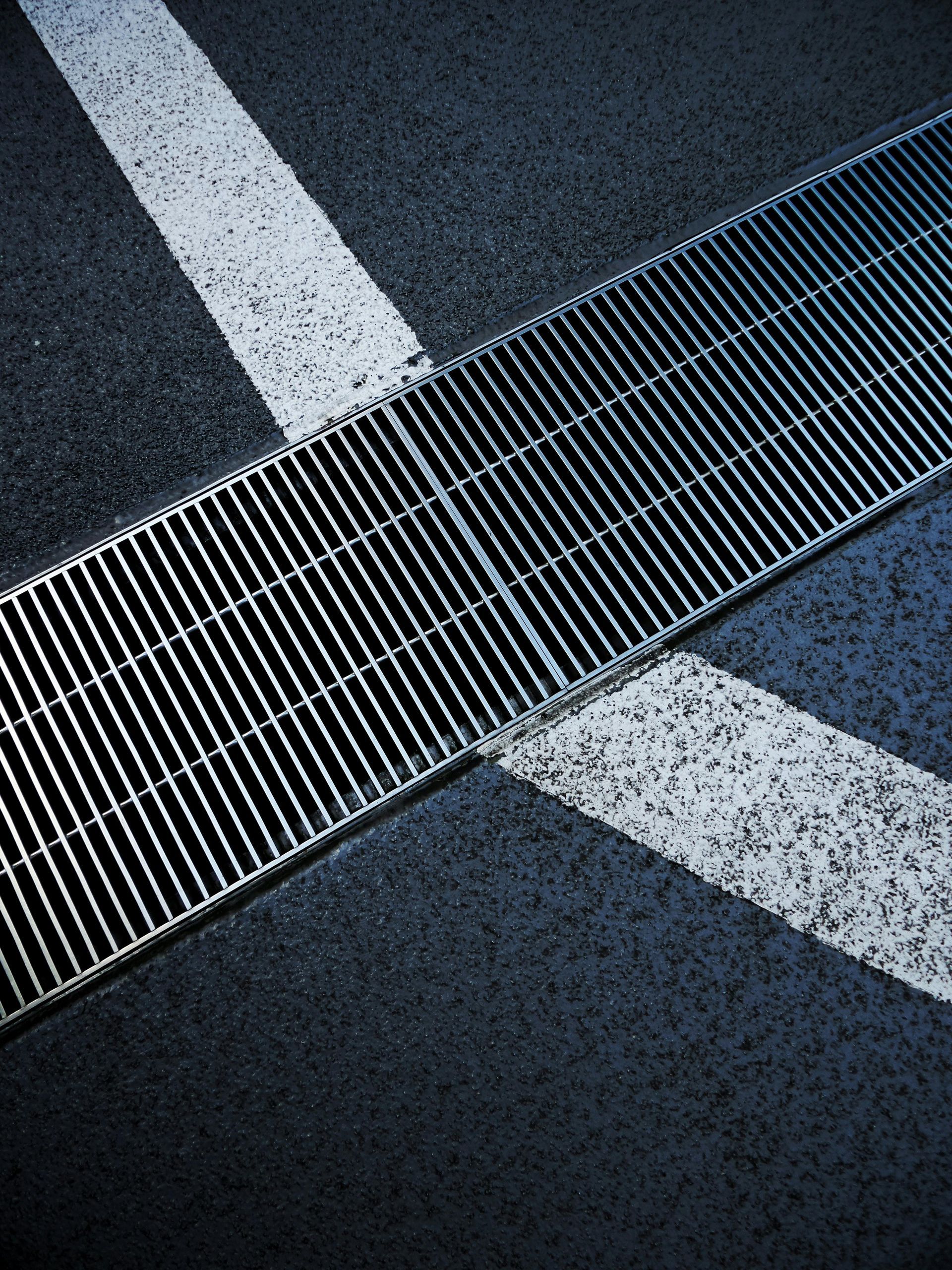
Standing water on asphalt surfaces accelerates deterioration by infiltrating through surface cracks, softening base layers, and triggering the freeze-thaw cycles that create potholes and structural failures across Maine properties. Channel drains collect water flowing across driveways and paved areas, then redirect it toward designated drainage outlets before it can pool in low spots or saturate pavement edges where erosion and cracking typically begin. Toothy Sealcoating installs drainage solutions throughout South Portland that address the moisture problems causing premature pavement breakdown, extending surface lifespan and reducing the frequency of repair work required to maintain driveways and parking areas.
Installation involves cutting precise channels across pavement sections where water naturally flows, setting drain assemblies at grades that promote continuous water movement, and connecting outlets to areas where runoff can be safely dispersed without causing erosion or flooding concerns. Proper grading during installation ensures water moves efficiently through the system rather than backing up or bypassing the drain during heavy rainfall events common in the South Portland area.
Schedule a drainage assessment to identify where water collects on your property and determine how channel drains can redirect flow away from vulnerable pavement sections.
Why Drainage Improvements Work for Pavement Protection
Channel drains prevent the moisture accumulation that drives most asphalt deterioration by capturing surface runoff before it infiltrates cracks, pools in depressions, or saturates edges where freeze-thaw damage typically begins. The installation approach considers existing slope patterns, the volume of water flowing across the surface during storm events, and where runoff can be directed without creating new problems on adjacent areas or neighboring properties.
Once drains function properly, you no longer see standing water that remains for hours after rainfall ends, pavement edges stop crumbling from constant moisture exposure and erosion, and the freeze-thaw cracking that previously required annual repairs diminishes significantly because water moves off the surface instead of penetrating base layers. These improvements support long-term pavement preservation by eliminating the primary cause of structural breakdown, making routine maintenance like sealcoating and crack filling more effective since they protect dry, stable surfaces rather than attempting to preserve chronically saturated asphalt.
Properties with persistent drainage issues often find that installing channel drains costs less than the accumulated expense of repeated pothole repairs and premature replacement caused by uncontrolled water damage over five to ten years.
Answers to Frequent Service Questions
Drainage concerns raise questions about how water causes damage, when intervention makes sense, and what results property owners should expect from properly installed systems.
How does standing water cause long-term damage to asphalt driveways and parking areas?
Water sitting on pavement surfaces infiltrates through existing cracks and porous areas, then softens the base material beneath the asphalt, creating voids that lead to settling, while freeze-thaw cycles expand trapped moisture and force pavement layers apart from within, creating potholes and structural failures.
What drainage problems commonly affect residential properties in South Portland?
Driveways sloped toward garages that trap water against foundations, low spots created by settling or improper grading where water pools after rainfall, runoff concentrated along pavement edges causing erosion and cracking, and inadequate outlet paths for water flowing from higher elevations across paved surfaces all contribute to moisture-related pavement damage.
When should property owners address drainage issues before they lead to costly repairs?
Drainage improvements should be completed when water consistently pools in the same locations after rainfall, when pavement edges show ongoing erosion or crumbling from concentrated runoff, or when moisture-related cracking and pothole formation require repairs more frequently than every two to three years.
How do channel drains integrate with other asphalt maintenance and preservation efforts?
Drainage improvements eliminate the moisture problems that undermine sealcoating effectiveness and accelerate crack development, allowing routine maintenance to protect dry, stable pavement rather than temporarily covering surfaces that continue deteriorating from below due to unresolved water infiltration.
What installation factors determine whether channel drains effectively manage water flow?
Accurate grade measurements that ensure continuous water movement through the system, proper outlet placement that directs runoff to appropriate discharge areas, adequate drain capacity for expected rainfall volumes, and secure mounting that prevents shifting under traffic loads all affect long-term drainage performance.
Toothy Sealcoating evaluates drainage patterns and moisture problems affecting residential and commercial properties throughout the Greater Portland Area. Request a property inspection to identify how water movement contributes to pavement deterioration and discuss solutions that protect your investment in asphalt surfaces.