
Early Intervention That Prevents Expensive Failures
Asphalt Crack Sealing in South Portland for pavement showing hairline cracks, thermal cracking, or early separation before water damage spreads
Small cracks become potholes and base failures once water infiltrates beneath the pavement surface and freeze-thaw cycles begin breaking apart the structural foundation. Crack sealing blocks that infiltration before damage spreads, making it one of the most cost-effective preservation methods available to property owners in the Greater Portland Area. Toothy Sealcoating treats cracks by cleaning them thoroughly, routing wider cracks to create uniform edges, and filling them with rubberized sealant that flexes with seasonal temperature movement rather than cracking apart during Maine winters.
Untreated cracks widen gradually as water seeps in, freezes, and expands the opening, then allows more water to penetrate deeper with each cycle until the base material underneath loses stability and the pavement above collapses into depressions or potholes. Addressing cracks early stops that progression and extends pavement life by years at a fraction of what resurfacing or replacement would cost once structural failure occurs.
Schedule a pavement inspection following winter to identify cracks that formed during freeze-thaw cycles.
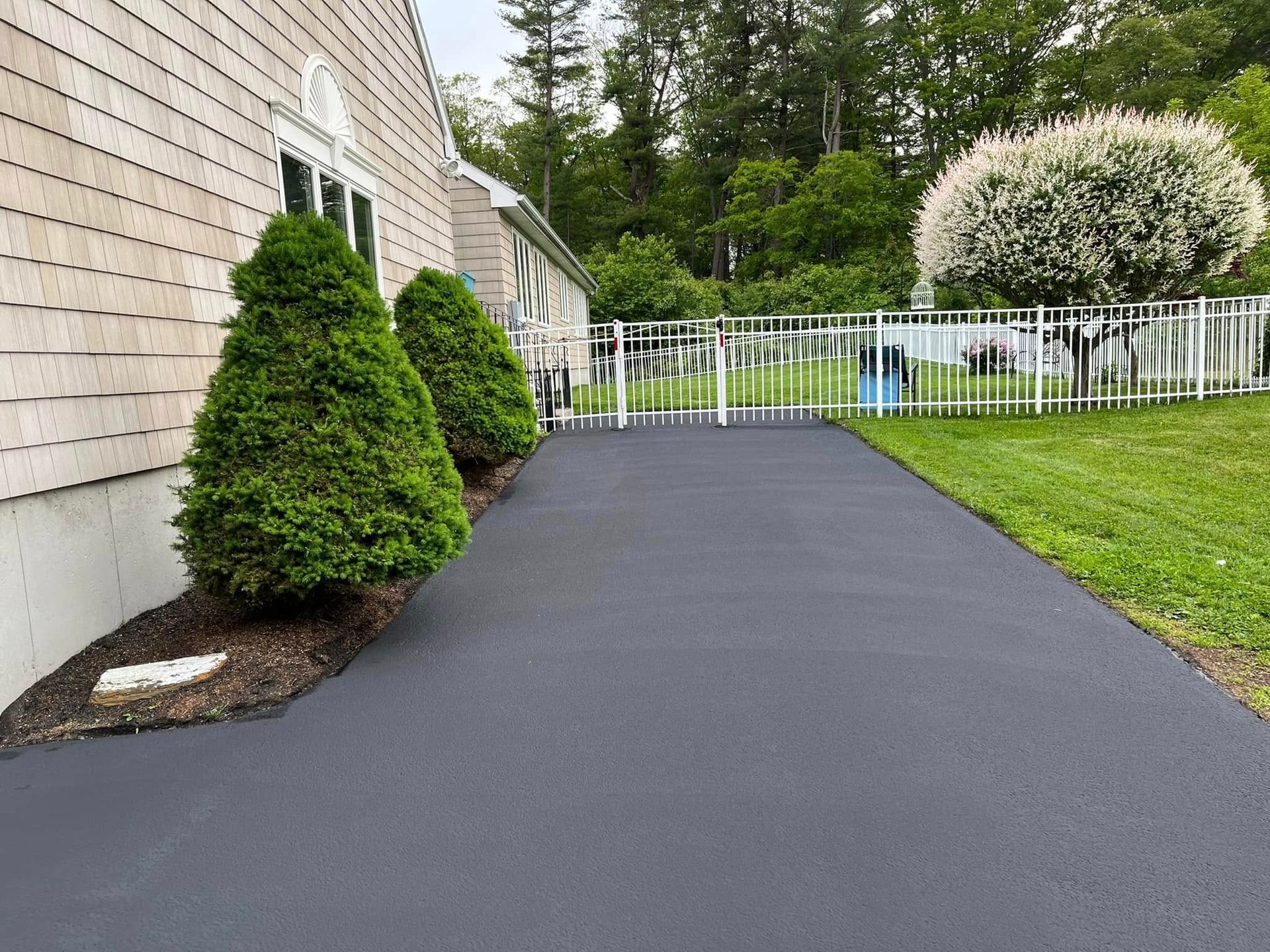
Why Crack Sealing Works for Long-Term Preservation
Proper crack treatment requires removing all debris, vegetation, and loose material from inside the crack so sealant bonds to solid edges rather than sitting on top of dirt and crumbling asphalt. Narrow cracks are sometimes routed with specialized equipment to widen them slightly and create a reservoir that holds sealant securely, while wider cracks are cleaned and prepared for hot-applied rubberized filler that remains flexible across temperature extremes.
After crack sealing is completed, water runs across the pavement surface instead of disappearing into openings where it would reach the base layer. You'll notice that sealed cracks stop widening during temperature swings, the pavement surrounding treated cracks remains stable instead of continuing to deteriorate outward, and spring inspections show far less new damage than properties where cracks were left untreated through winter.
Crack sealing complements sealcoating by addressing structural vulnerabilities before applying surface protection, because sealcoating over untreated cracks simply hides the problem temporarily while water infiltration continues underneath. Combining both services as part of an ongoing maintenance program delivers the longest pavement life and avoids the expensive repair escalation that comes from neglecting early warning signs.
Questions Before Starting Your Project
Homeowners and property managers in South Portland often ask about timing, effectiveness, and how crack sealing fits into overall pavement maintenance strategies.
What types of cracks should be sealed?
Any crack wider than a quarter-inch allows water infiltration and should be treated, including linear cracks from thermal stress, branching cracks that indicate base movement, and edge cracks along pavement borders where water runs off and undermines support.
How does crack sealing prevent potholes?
Sealing blocks water from entering cracks and reaching the base material, which means freeze-thaw cycles can't expand those openings or break apart the foundation underneath, preventing the collapse and void formation that creates potholes.
When should cracks be sealed in Maine?
Spring is ideal for addressing cracks that formed during winter, while fall sealing prepares pavement to withstand the upcoming freeze-thaw season, and temperatures must be above 40 degrees for sealant to bond and cure properly.
How long does crack sealant last?
Properly applied rubberized crack filler typically performs for two to four years depending on crack movement, traffic stress, and maintenance practices, and cracks should be inspected annually to determine whether resealing is needed before protection fails.
Why does preparation matter for crack sealing?
Sealant bonds only to clean, dry surfaces, so debris, moisture, and loose asphalt inside cracks prevent adhesion and cause premature failure where the filler pulls away from crack edges and allows water infiltration to resume.
Toothy Sealcoating inspects pavement carefully to identify all cracks requiring treatment and uses preparation methods that ensure sealant bonds securely and remains flexible through seasonal temperature changes. Arrange an evaluation to address existing cracks before water damage progresses into structural failure and more costly repairs.