
Surfaces Beyond What Patching Can Fix
Asphalt Replacement in South Portland for driveways and parking lots with widespread cracking, structural failure, or chronic drainage problems
Widespread cracking across multiple pavement sections, persistent drainage issues that create standing water, and base layer failure that causes settling all signal that repair work will only delay the inevitable need for full replacement. Replacement becomes more practical than ongoing repairs when deterioration affects more than thirty percent of the surface area or when underlying structural problems cannot be resolved through patching alone. Toothy Sealcoating evaluates pavement conditions throughout South Portland to determine whether localized repairs will extend service life or whether replacement offers better long-term value for properties nearing the end of their functional lifespan.
The replacement process removes failed asphalt down to the base layer, addresses grading and drainage deficiencies that contributed to premature failure, and installs new pavement with proper compaction and thickness for expected traffic loads. Proper preparation includes evaluating subgrade stability, correcting drainage slopes, and ensuring adequate base depth before new asphalt goes down, since shortcuts during installation lead to repeated failure within just a few years.
Arrange a property consultation to review pavement conditions and receive an honest assessment of whether repair or replacement makes sense based on the extent of deterioration.
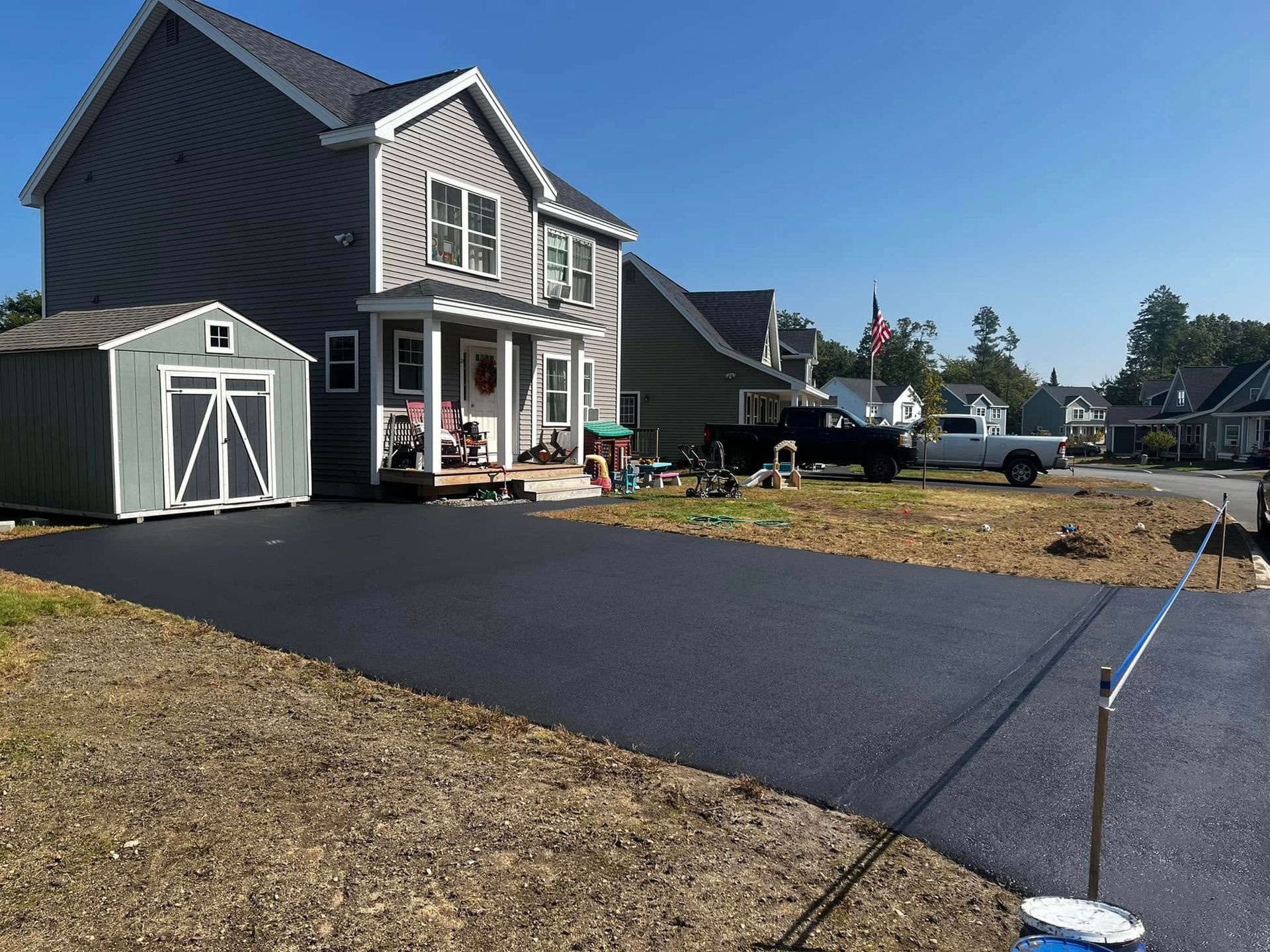
How Replacement Addresses Structural Problems
Replacement corrects the underlying issues that caused the original pavement to fail, including inadequate base preparation, poor drainage design, and insufficient asphalt thickness, rather than simply covering up visible damage with temporary patches. The evaluation process examines crack patterns, base stability, drainage flow, and the depth of structural deterioration to identify whether the failure stems from surface wear or fundamental installation deficiencies.
Once installation completes, you notice water drains consistently toward designated outlets instead of pooling in low spots, the surface remains level without the dips and humps that develop when base layers settle unevenly, and the pavement withstands seasonal freeze-thaw cycles without developing the widespread cracking that characterized the failed surface. Toothy Sealcoating focuses on grading accuracy and proper compaction during installation, since these factors determine whether new asphalt delivers decades of service or requires repairs within the first few seasons.
Properties with aging surfaces benefit from replacement before deterioration progresses to the point where base layers also require reconstruction, which increases project costs significantly compared to replacement completed while the base remains structurally sound.
Questions Before Starting Your Project
Replacement decisions involve understanding when this investment makes sense compared to continued maintenance of deteriorating pavement.
What signs indicate that asphalt has reached the point where replacement becomes necessary?
Alligator cracking covering large sections, multiple areas of base failure causing pavement to flex underfoot, persistent drainage problems that patching cannot resolve, and repair costs approaching fifty percent of replacement costs all signal that the surface has reached the end of its functional service life.
How does the evaluation process determine whether repair or replacement makes financial sense?
The assessment examines the percentage of surface area showing structural damage, the condition of base layers beneath failed sections, drainage functionality, and the projected lifespan of repairs compared to replacement costs over the next five to ten years.
What long-term benefits come from properly installed new asphalt surfaces?
New pavement installed with correct grading and adequate base preparation typically delivers twenty to thirty years of service when maintained with routine sealcoating and crack filling, compared to ongoing repair costs that accumulate rapidly on structurally failed surfaces.
How do South Portland's weather patterns affect installation timing and material performance?
Asphalt installation requires minimum ambient and ground temperatures for proper compaction and bonding, making late spring through early fall the optimal window, while Maine's freeze-thaw cycles demand proper drainage design to prevent moisture accumulation that accelerates deterioration.
What role does drainage play in preventing premature pavement failure?
Water trapped beneath asphalt weakens base layers and creates voids that lead to cracking and settling, so proper grading that directs water away from the surface and toward drainage outlets prevents the moisture-related damage that causes most structural failures.
Properties throughout the Greater Portland Area receive honest recommendations from Toothy Sealcoating based on actual conditions rather than unnecessary work. Request a pavement evaluation to determine whether your driveway or parking lot will benefit from continued maintenance or whether replacement offers better long-term value.